
Pharmaceutical enzymes are natural biological proteins that act as catalysts in chemical reactions. Unlike synthetic drugs that work broadly, enzymes are precise. They locate a specific target molecule, bind to it, and trigger an exact reaction without disturbing anything else. What makes them especially powerful is their efficiency. A single enzyme molecule can drive thousands of reactions before it breaks down, something conventional chemistry struggles to match. In pharma, that translates directly into results. Enzymes serve as active ingredients in anti-inflammatory and digestive health drugs, assist in the synthesis of complex APIs, and improve how formulations are absorbed and stabilized in the body. Where synthetic compounds have limits, pharmaceutical enzymes consistently deliver.
We manufacture and supply world-class enzymes for the Pharmaceutical industry. We specialized in manufacturing the best pharmaceutical enzymes in the market. Our strong networks of dealers across India allows Ultreze Enzymes to emerge as a leading supplier for enzymes for drug manufacturing companies.

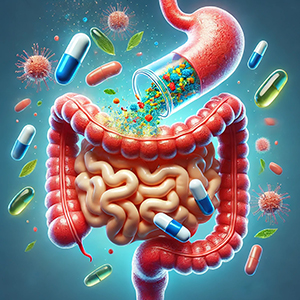
Digestive enzymes take the place of natural enzymes, helping to break down carbohydrates, fats, and proteins. Once foods are broken down, nutrients are absorbed into your body through the wall of the small intestine and distributed through the bloodstream.

nattokinase enhances the body's natural ability to fight blood clots and has an advantage over blood thinners. It also helps and enhances the production of plasmin and urokinase.
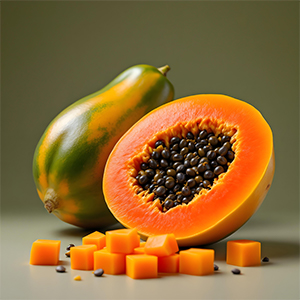
Extracted from raw papaya, Papain is a go-to ingredient for digestive health drugs, wound debridement products, and immune-support preparations

Sourced from pineapple stem, this enzyme is widely used in anti-inflammatory tablets, wound care treatments, and post-surgical recovery formulations
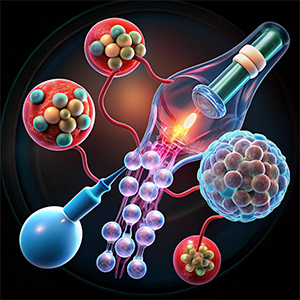
Lysozyme is one of the most powerful natural antibacterial and antiviral compound, it naturally inhibits the growth of many spoilage organisms, increases healthy shelf life and ensures food safety. It also boosts the immunity system.
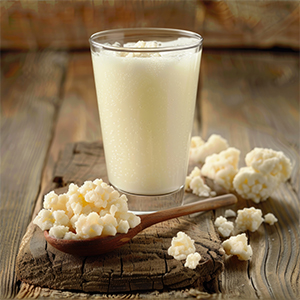
Used in formulations targeting lactose intolerance, both in pharma and functional nutrition
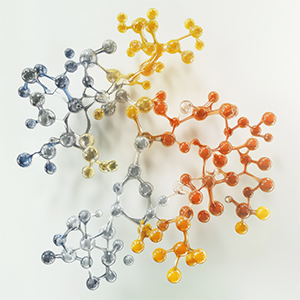
One of the most prescribed enzymes in its category, known for its anti-inflammatory and fibrinolytic action in both Rx and OTC products
Enzymes do not just treat disease. They help build the drugs that treat disease. Their role in pharma spans the entire production and therapeutic chain.
As therapeutic agents, enzymes like Serratiopeptidase, Bromelain, and Trypsin are the active ingredients. They reduce inflammation, support tissue healing, and assist in breaking down fibrin deposits in the body.
In API synthesis, enzymes replace harsh chemical catalysts. They work in milder conditions, produce fewer by-products, and improve the selectivity of complex reactions. For manufacturers focused on green chemistry and cost efficiency, this matters.
In formulation development, enzymes improve how a drug behaves once it enters the body. They can boost absorption rates, stabilize active compounds, and extend shelf life in tablets, capsules, syrups, and injectables.
In biologics and vaccine manufacturing, Trypsin is used for cell dissociation during tissue culture. It is a behind-the-scenes workhorse in some of the most advanced drug manufacturing processes in the world.
In digestive health and nutraceuticals, enzymes like Papain, Pepsin, Lactase, and Fungal Diastase are the backbone of some of the bestselling digestive supplements on the market.
The pharmaceutical application of enzymes is growing every year. And sourcing the right enzyme, at the right grade, from the right manufacturer, is what separates a smooth production run from a costly one.
Enzymes like Bromelain enzyme and Serratiopeptidase enzyme are nowadays used to reduce inflammation and fast recovery that is why it is important to use enzymes in medicine.
Enzymes in pharmaceuticals support drug synthesis, fermentation, and active ingredient processing. They work with high selectivity, so manufacturers get better purity and fewer unwanted by-products.
Common enzymes used in the pharmaceutical industry include proteases, lipases, amylases, cellulases, and oxidoreductases. Some help make active drug ingredients, while others support formulation, diagnostics, or therapeutic products.
Enzymes make production more efficient and precise. They also reduce the need for harsh chemicals, which improves safety, product quality, and process consistency.
A good pharmaceutical enzymes supplier should offer consistent quality, proper documentation, and regulatory support. Buyers also check purity standards, batch-to-batch performance, storage conditions, and application-specific guidance.